Rosanna Sandri
Barbaresco, Italy
REPRESENTATION - NATIONAL
HISTORY & FAMILY
The Sandri family’s connection to San Rocco Seno d’Elvio, a hillside hamlet just south of Barbaresco, dates back to the mid-20th century. In 1950, Mario Sandri and his wife Teresina began planting vines alongside other mixed crops, establishing the foundation of the estate. Rosanna, born in 1959, grew up working in the vineyards, absorbing a pragmatic, seasonal understanding of the land.
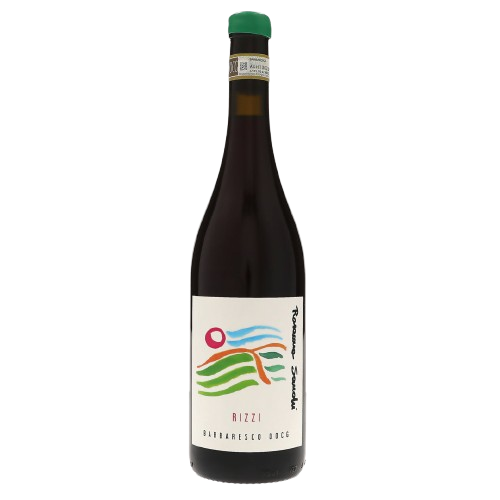
In 1978, she married Franco Prandi, a grower from nearby Treiso, uniting two smallholdings and expanding vineyard area. Throughout the 1980s and 1990s, Rosanna and Franco gradually shifted focus from selling grapes to local cellars to bottling their own wines—beginning with Dolcetto and Barbera before adding Barbaresco from the family’s holdings in the “Rizzi” cru.
In the early 2000s, their sons Mauro and Roberto—both trained in oenology—joined the business, marking the next generation. While staying true to their mother’s low-intervention ethos, they brought refinements in canopy management, soil care, and parcel-specific vinification, ensuring the small estate remains competitive among the Langhe’s artisanal producers.
VINEYARDS & PRACTICES
Rosanna Sandri farms roughly 4 hectares across two main sites:
San Rocco Seno d’Elvio — Higher-altitude, south-facing slopes with a mix of clay, limestone, and sandy marl. These parcels give Dolcetto and Barbera their supple fruit and lifted aromatics, while Nebbiolo here retains freshness and fine tannic structure.
Treiso (Rizzi cru) — Classic calcareous marl at ~250–300 m elevation, part of one of Barbaresco’s most respected MGAs. The Nebbiolo here delivers more density, darker fruit, and ageing potential, forming the backbone of the estate’s Barbaresco.
The farming is natural and sustainable: no herbicides or synthetic fertilisers; permanent cover crops for soil health; hand pruning and picking; and green harvests when necessary to balance yields. Vine density averages around 4,500 vines/ha, with many plantings over 40 years old. The brothers’ recent work includes selective replanting with massal selections, maintaining genetic diversity and site-adapted plant material.
WINEMAKING & ETHOS
In the cellar, the approach is deliberately simple and traditional, echoing the methods Rosanna learned from her parents. Grapes are destemmed and fermented with native yeasts in temperature-neutral concrete tanks, allowing a slow, even extraction.
Macerations for Nebbiolo can run three to four weeks, while Dolcetto and Barbera are handled more gently to preserve fruit brightness. Élevage takes place in large Slavonian oak botti for Nebbiolo and Barbaresco, maintaining purity and avoiding overt wood influence; other varietals see time in concrete or stainless steel.
Wines are unfined and unfiltered, with minimal sulphur at bottling, resulting in authentic, site-driven expressions that favour elegance and longevity over flashiness.
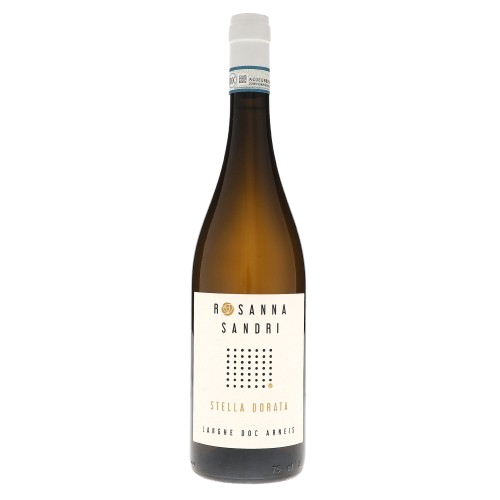
2023 ROSANNA SANDRI LANGHE ARNEIS
2023 ROSANNA SANDRI BARBERA D'ALBA
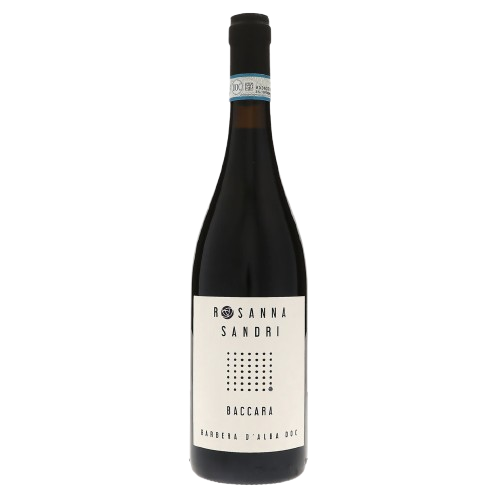
The 2023 Rosanna Sandri Barbera d’Alba shows expressive notes of ripe cherry, red plum, and blackberry, lifted by hints of violet, spice, and a touch of earth. On the palate, it is juicy and generous, with Barbera’s hallmark bright acidity carrying vibrant red and black fruit flavors. Supple tannins add gentle grip without heaviness, while a subtle thread of spice and mineral undertone brings depth. The finish is fresh, lively, and persistent, making it both food-friendly and immediately approachable, yet structured enough to develop gracefully over the next few years.
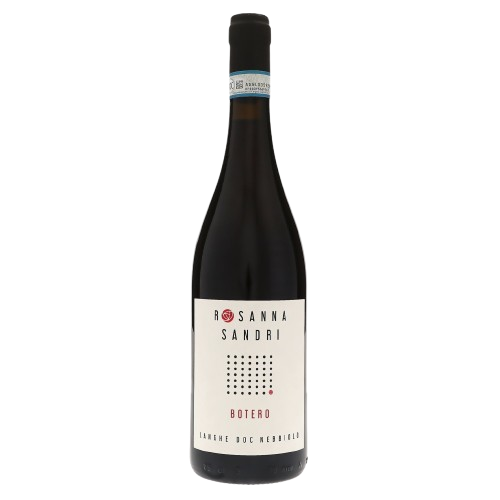
2023 ROSANNA SANDRI LANGHE NEBBIOLO
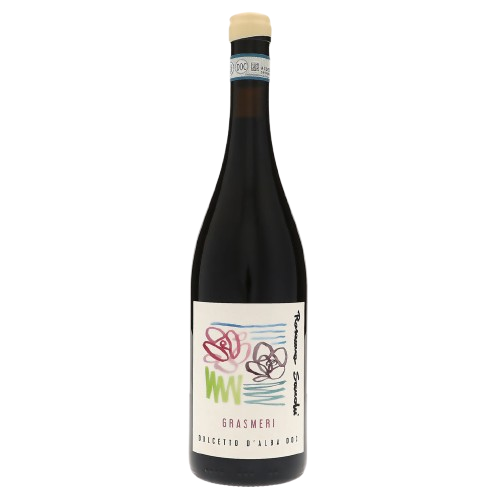
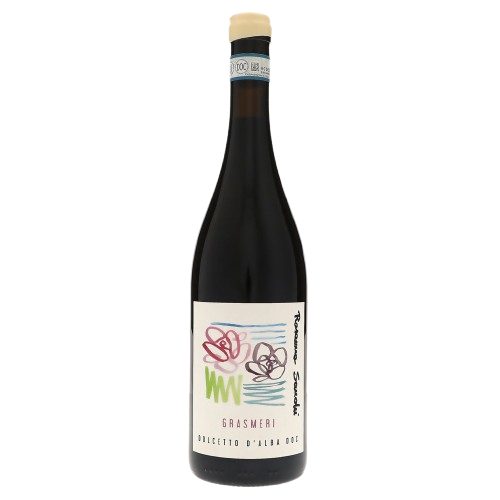
2023 ROSANNA SANDRI DOLCETTO D'ALBA
The 2023 Rosanna Sandri Dolcetto d’Alba is bright and inviting, with aromas of black cherry, blueberry, and violet, accented by a touch of spice and almond. On the palate, it is fruit-forward and supple, showcasing juicy dark berry flavors balanced by gentle tannins and a subtle herbal edge. Fresh acidity keeps the wine lively and easy to drink, while the finish is smooth and pleasantly dry, leaving a lingering note of ripe fruit and floral lift. Approachable and versatile, it captures the classic charm and everyday appeal of Dolcetto.
2023 ROSANNA SANDRI FREISA
The 2023 Rosanna Sandri Freisa offers a lively, aromatic profile with notes of wild raspberry, cherry, and red currant, complemented by hints of rose, spice, and a touch of savory earth. On the palate, it is vibrant and energetic, with juicy red fruit framed by firm yet approachable tannins and a refreshing streak of acidity. Subtle herbal and peppery nuances add depth, while the finish is dry, persistent, and slightly rustic in character. This vintage highlights Freisa’s traditional charm—expressive, structured, and wonderfully food-friendly.
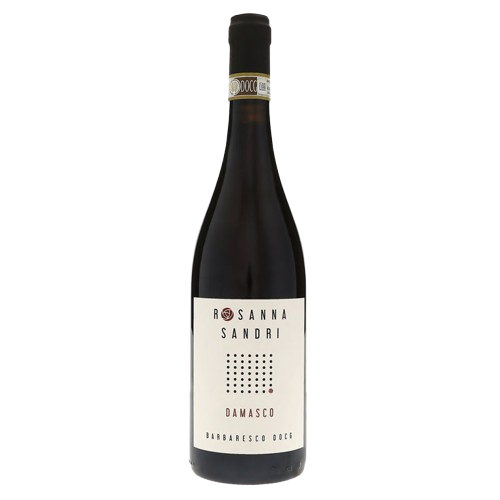
2020 ROSANNA SANDRI BARBARESCO DAMASCO
The 2020 Rosanna Sandri Barbaresco Damasco is refined and expressive, opening with layered aromas of red cherry, dried rose, and wild strawberry, interwoven with hints of licorice, cedar, and subtle spice. The palate is elegant yet powerful, showing Nebbiolo’s hallmark balance of vibrant acidity and firm, finely grained tannins. Flavors of ripe red fruit are complemented by notes of orange peel, herbal undertones, and a delicate mineral edge. Long and persistent on the finish, it combines finesse and depth, promising both immediate pleasure and excellent ageing potential.
2021 ROSANNA SANDRI BARBARESCO DAMASCO
The 2021 Rosanna Sandri Barbaresco Damasco reveals an elegant and aromatic profile, opening with notes of red cherry, wild strawberry, and rose petal, lifted by hints of licorice, spice, and subtle cedar. The palate is refined yet structured, with vibrant acidity and finely textured tannins supporting layers of ripe red fruit and savory complexity. Delicate tones of orange peel and mineral nuance add depth, leading to a long, graceful finish that balances power with finesse. A classic Barbaresco in style, it offers immediate charm while promising further complexity with age.